
从事钢结构行业二十余年,我们经常遇到同行问:“我们用的都是最好的防腐涂料,为什么用了三五年就开始生锈?”也有些同行问我们“你们这样反复的打磨犄角旮旯,浪费人力物力,意义是什么?”现在我们就来探讨一下“节点”打磨与防腐的关系。
Having been engaged in the steel structure industry for over 20 years, we often encounter peers asking, "We use the best anti-corrosion coatings, but why does rust begin to appear after just three to five years?" Some peers also ask us, "You repeatedly polish corners and hard-to-reach areas, wasting manpower and resources. What's the point?" Now let's explore the relationship between "node" polishing and anti-corrosion.
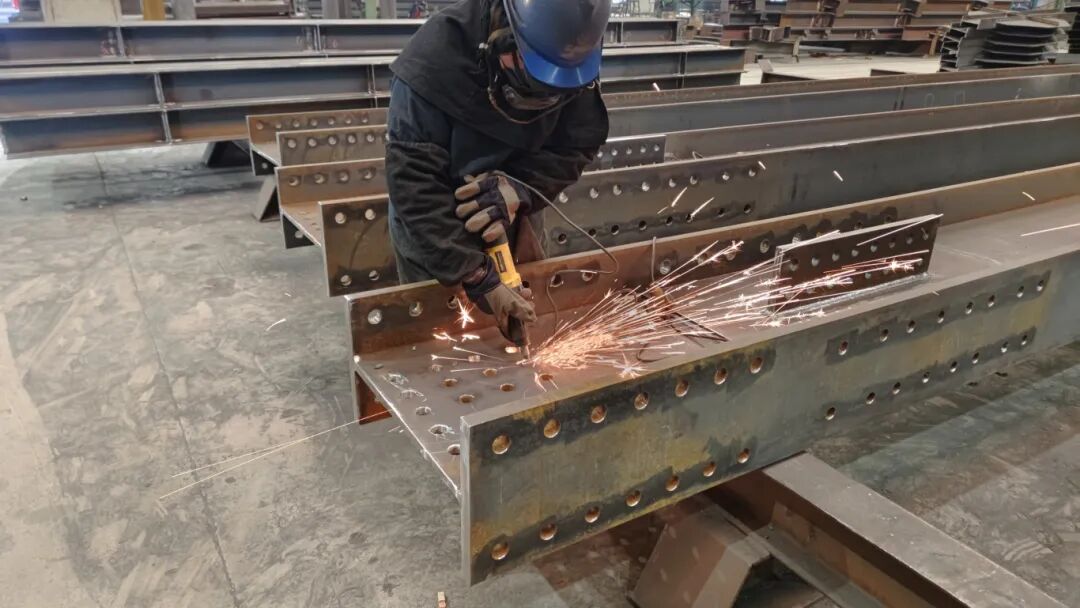
很多人验收防腐工程,首先看的是大平面是不是颜色均匀、漆膜连续,看起来漂漂亮亮就觉得质量过关。可真正的腐蚀隐患,从来不会先出现在最显眼的地方,它总藏在切割边缘、螺栓孔内、焊缝边、搭接缝附近。这些“节点”看似不起眼,却是整个钢结构防腐体系里最脆弱的环节,后期返修成本也是最高的。钢结构防腐真正难管的地方,恰恰是这些容易被忽略的节点。
When many people inspect and accept anti-corrosion projects, their first concern is whether the large surfaces are evenly colored and the paint film is continuous. If they look beautiful, they assume the quality is good. However, the real corrosion hazards never appear in the most conspicuous places first. They always hide in cutting edges, bolt holes, weld edges, and areas near lap joints. These "nodes" may seem unremarkable, but they are the most vulnerable links in the entire steel structure anti-corrosion system, and the cost of repair in the later stage is also the highest. The truly difficult part of steel structure anti-corrosion management lies precisely in these easily overlooked nodes.
我们在大量项目里总结过,容易出问题的节点,基本都有三个共同特征:
Through our experience in numerous projects, we have identified that nodes prone to issues generally share three common characteristics:

形状不规整,喷涂质量难控制
Firstly, the shape is irregular, making it difficult to control the spraying quality.
大平面喷涂时,枪距、走枪速度、搭接宽度都比较容易控制,漆膜厚度均匀。但到了边角、螺栓、焊缝和孔洞附近,复杂的造型导致涂料很难保持一致的覆盖状态:有些地方膜厚不够,有些地方堆漆流挂,还有些位置很容易形成遮蔽死角,甚至留下针孔。
When spraying on large surfaces, the spray gun distance, spraying speed, and overlap width are relatively easy to control, resulting in a uniform paint film thickness. However, when it comes to corners, bolts, weld seams, and areas near holes, the complex shapes make it difficult to maintain consistent coverage of paint: some areas may have insufficient film thickness, some may have paint buildup and sagging, and some positions are prone to forming blind spots or even leaving pinholes.
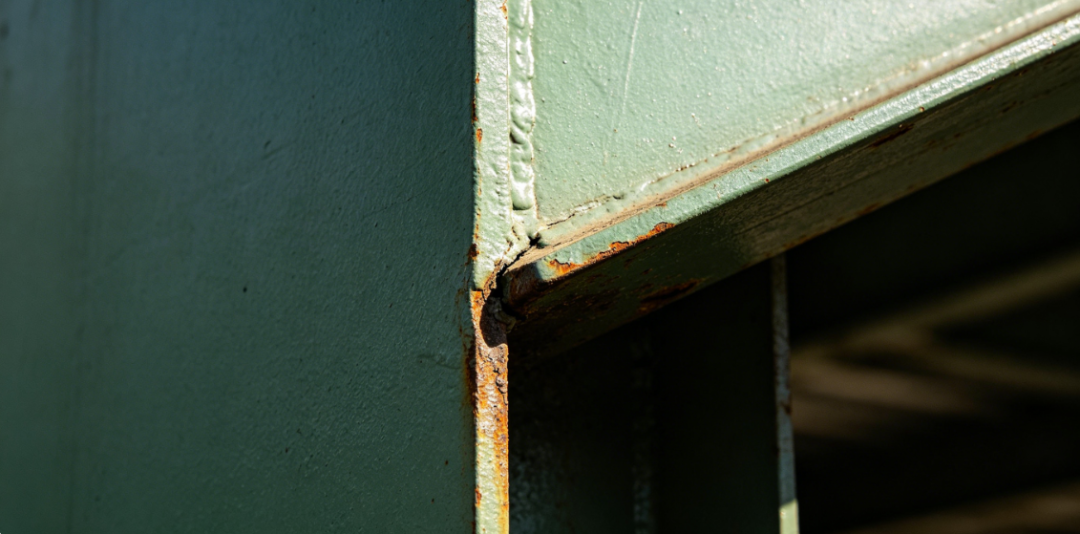
我们做过测试,尖锐直角位置的漆膜厚度,往往只有大平面的30%-50%,涂料固化收缩后,边缘甚至会出现肉眼看不到的缝隙,腐蚀介质很容易从这些位置侵入。
We have conducted tests and found that the paint film thickness at sharp right angles is often only 30%-50% of that on large flat surfaces. After the paint cures and shrinks, gaps that are invisible to the naked eye may even appear at the edges, making it easy for corrosive media to penetrate from these locations.

表面处理更难做到彻底干净
Secondly, surface treatment is more difficult to achieve complete cleanliness.
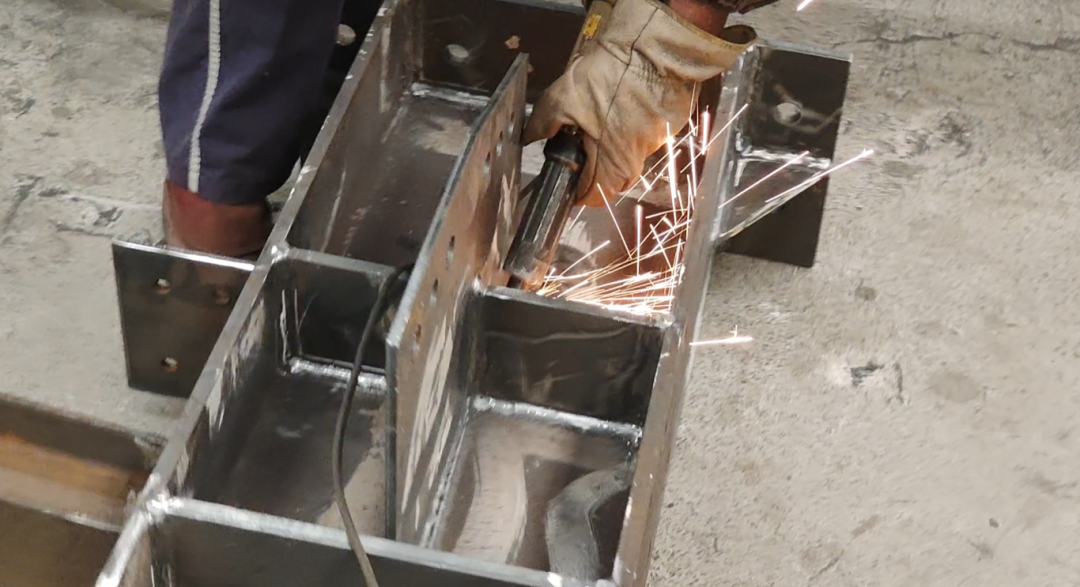
焊缝附近难免残留焊接飞溅、焊渣、氧化皮,切边位置常常有毛刺和锐边,螺栓孔周围容易附着粉尘、油污甚至残留盐分。这些杂质看起来不起眼,却会直接影响涂层附着力。
Residual welding spatter, slag, and oxide scale are unavoidable near the weld seam, and burrs and sharp edges often occur at the trimming position. Dust, oil, and even residual salt tend to adhere to the area around bolt holes. These impurities may seem unremarkable, but they can directly affect the coating adhesion.
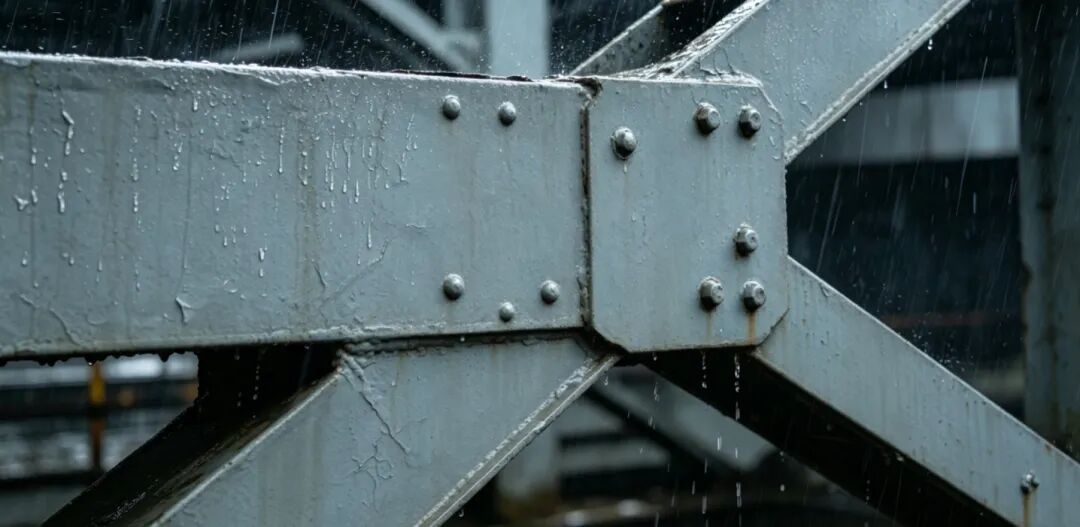
很多项目刚做完防腐时看不出问题,经历几轮雨水冲刷、冷热温差交替和紫外线照射后,底层的缺陷就会慢慢放大,从点锈慢慢发展成连片的锈蚀。
Many projects may not show any problems when the anti-corrosion measures are just completed. However, after several rounds of rainwater washing, alternating temperature differences between cold and heat, and ultraviolet radiation, the underlying defects will gradually magnify, evolving from spot rust to extensive corrosion.

节点更容易积存腐蚀介质
Thirdly, nodes are more prone to accumulate corrosive media.
户外使用的钢结构,雨水会顺着构件表面流动,排水不畅的节点位置,水汽停留时间比大平面长好几倍。如果是在沿海、化工园区、桥梁或者工业厂房环境里,还会叠加氯盐、酸碱气氛、粉尘沉积的腐蚀作用。
For steel structures used outdoors, rainwater flows along the surface of the components. At nodes with poor drainage, water vapor stays for several times longer than on large flat surfaces. If located in coastal areas, chemical parks, bridges, or industrial plants, they will also be subject to the corrosive effects of chloride salts, acid-base atmospheres, and dust deposition.
腐蚀最怕的就是“长期湿、长期脏、长期没人查”,节点刚好同时满足了这三个条件,自然成了腐蚀的“突破口”。
The greatest threat to corrosion is "long-term dampness, long-term dirtiness, and long-term neglect of inspection". If a node simultaneously meets these three conditions, it naturally becomes a "breach" for corrosion.

现在大部分防腐方案都会明确总膜厚要求,比如底漆多少微米,中间漆多少微米,面漆多少微米,这些当然是基础指标。但我们在项目管控里一直强调:现场验收不能只看平均膜厚,更要盯紧边缘膜厚和局部膜厚。
Most current anti-corrosion schemes specify the total film thickness requirements, such as the thickness of primer, intermediate coat, and topcoat in micrometers. These are, of course, basic indicators. However, we have always emphasized in project management and control that on-site acceptance inspection should not only focus on the average film thickness, but also pay close attention to the edge film thickness and local film thickness.
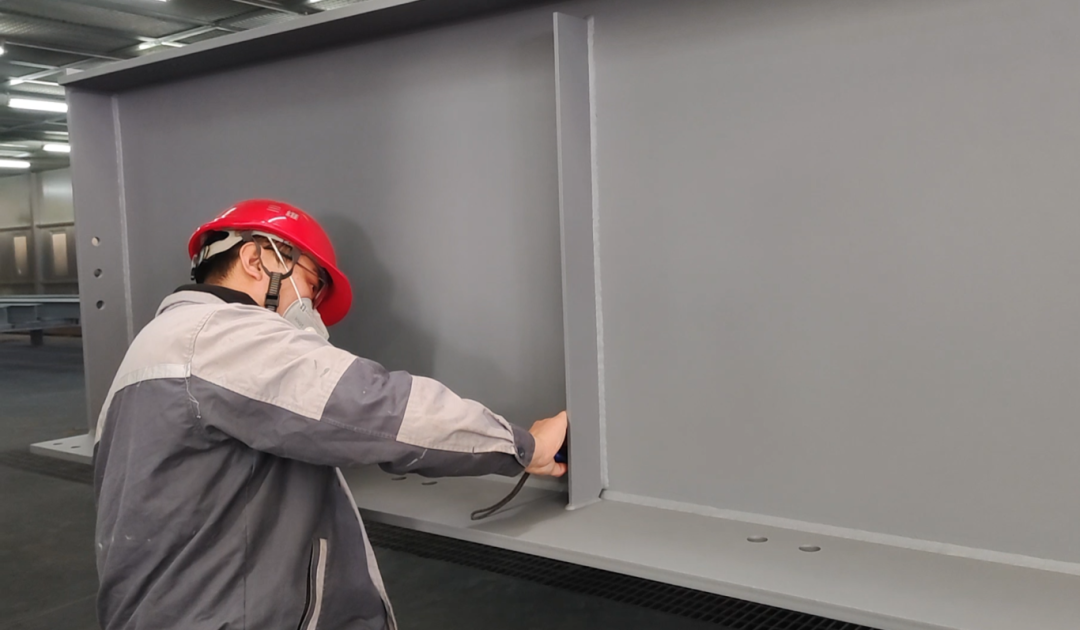
锐边就是最典型的风险点,涂料在尖锐边缘很难形成足够厚度,固化后还会进一步收缩,边缘越尖,涂膜越容易变薄。所以有经验的工程师都会要求对构件锐边先做倒角打磨,甚至对边角、焊缝、螺栓区域提前做预涂。
Sharp edges are the most typical risk points. It is difficult for paint to form a sufficient thickness on sharp edges, and it will further shrink after curing. The sharper the edge, the more likely the coating film becomes thinner. Therefore, experienced engineers will require chamfering and polishing of the sharp edges of components, and even pre-coating of corners, welds, and bolt areas in advance.
预涂这道工序很费人工,也最容易被省略。但很多项目的质量差异,恰恰就差在这一步:大面积喷涂看起来效率很高,可如果节点没有提前处理,后面喷再厚的面漆也补不上底层的缺陷。
The pre-coating process is labor-intensive and is most easily omitted. However, the quality difference in many projects lies precisely in this step: large-area spraying may seem efficient, but if the nodes are not handled in advance, no matter how thick the topcoat is applied later, it cannot compensate for the defects in the underlying layer.
焊缝是所有节点里最复杂的一类。焊缝本身高低起伏,附近还有焊接热影响区,如果表面处理不到位,涂层在焊趾、咬边、飞溅点附近很容易形成薄弱区。
Weld joints are the most complex type among all nodes. The weld itself has uneven heights, and there is also a welding heat-affected zone nearby. If the surface treatment is not adequate, the coating can easily form weak areas near the weld toe, undercut, and splash points.
有些焊缝看起来已经喷了漆,实际上涂料根本没有覆盖到凹陷位置,水汽进去之后,腐蚀会沿着焊缝慢慢蔓延,等外观能看到锈迹的时候,内部已经锈蚀得很严重了。还有一种情况更隐蔽:焊缝附近先出现小面积起泡,现场维修以为只是面漆问题,打磨补喷之后没多久又坏,这时候问题往往不在面漆,而是表面处理不到位、底漆附着力差、焊缝形貌缺陷和局部腐蚀介质共同作用的结果,只补表面根本解决不了根源问题。
Some welds may appear to have been painted, but in reality, the paint has not reached the recessed areas. Once moisture enters, corrosion will gradually spread along the weld. By the time rust is visible on the surface, the internal corrosion is already severe. There is another more subtle situation: small areas of blistering first appear near the weld. During on-site repairs, it is assumed to be a problem with the topcoat. However, after sanding and repainting, the issue soon reappears. In this case, the problem is often not with the topcoat, but rather a combination of inadequate surface preparation, poor primer adhesion, weld appearance defects, and localized corrosion media. Simply repairing the surface does not address the root cause.

螺栓连接区是防腐的另一大老问题。它本身有缝隙、有边缘、有遮挡,安装过程中还容易发生碰伤,拧紧之后,垫片、螺母、连接板之间会形成很多细小的缝隙,这些缝隙进水之后很难干燥。
The bolt connection area poses another significant and longstanding issue in terms of corrosion prevention. This area inherently features gaps, edges, and obstructions, and is prone to bruising during installation. After tightening, numerous tiny gaps emerge between the gasket, nut, and connecting plate, making it challenging to dry out once water infiltrates these gaps.
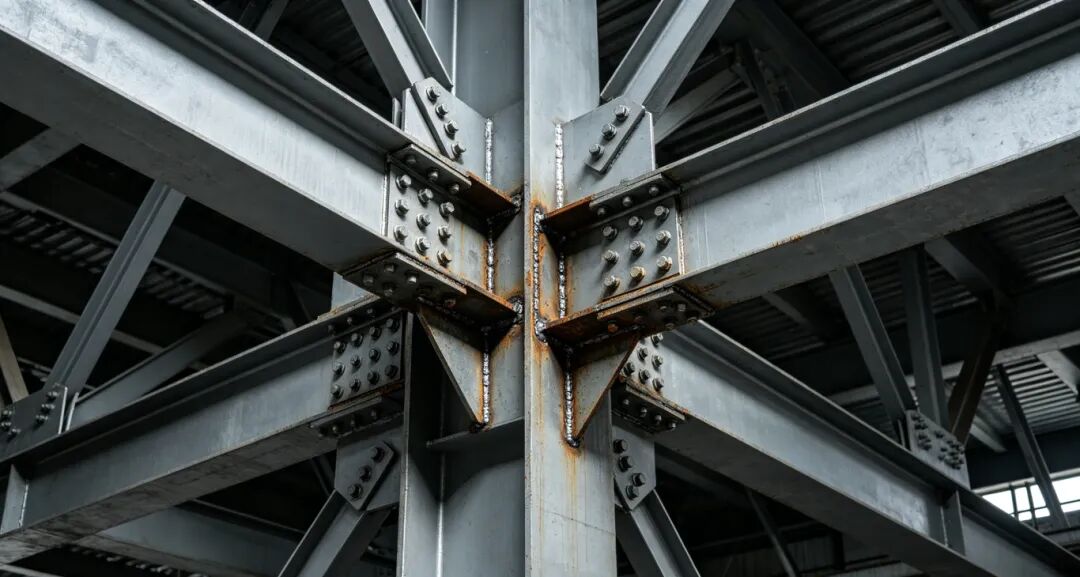
如果施工前没有规划好连接顺序和补涂窗口,等整个结构安装完成之后再处理,很多位置已经不好打磨,也不好喷涂,最后就成了防腐的“死角”。
If the connection sequence and touch-up windows are not properly planned before construction, and are dealt with only after the entire structure is installed, many locations will become difficult to grind and spray, ultimately becoming "dead ends" in terms of corrosion prevention.
这也是我们一直跟客户强调的:钢结构防腐不能只看涂料本身好不好,设计、加工、安装、表面处理、涂装顺序,每一个环节都会影响最终的防腐寿命。涂料只是承担成膜防护的最后一步,前面的节点处理没做好,再好的涂层也得替前面的工序“背锅”。
This is also what we always emphasize to our customers: when it comes to steel structure corrosion prevention, it's not just about the quality of the coating itself. Every aspect, including design, processing, installation, surface treatment, and coating sequence, can affect the final corrosion resistance lifespan. The coating is only the last step in film formation and protection. If the preceding steps are not handled properly, even the best coating will have to bear the blame for the previous processes.
节点出了问题,返修成本往往比大平面高得多。大平面返修至少看得清、够得着、打磨方便,可节点位置常常在高空、夹角、设备背面、支座底部、管线密集区,返修时要搭脚手架、协调停工、做局部除锈,还要考虑新旧涂层的兼容性,最后重新验收膜厚和外观。
When a node encounters a problem, the repair cost is often much higher than that of a large flat surface. At least for large flat surfaces, the repair can be clearly seen, easily accessible, and convenient for grinding. However, node locations are often in high places, at angles, on the back of equipment, at the bottom of supports, or in areas with dense pipelines. During repair, scaffolding needs to be erected, work needs to be coordinated for downtime, local rust removal needs to be carried out, and the compatibility of new and old coatings needs to be considered. Finally, the film thickness and appearance need to be re-inspected and accepted.
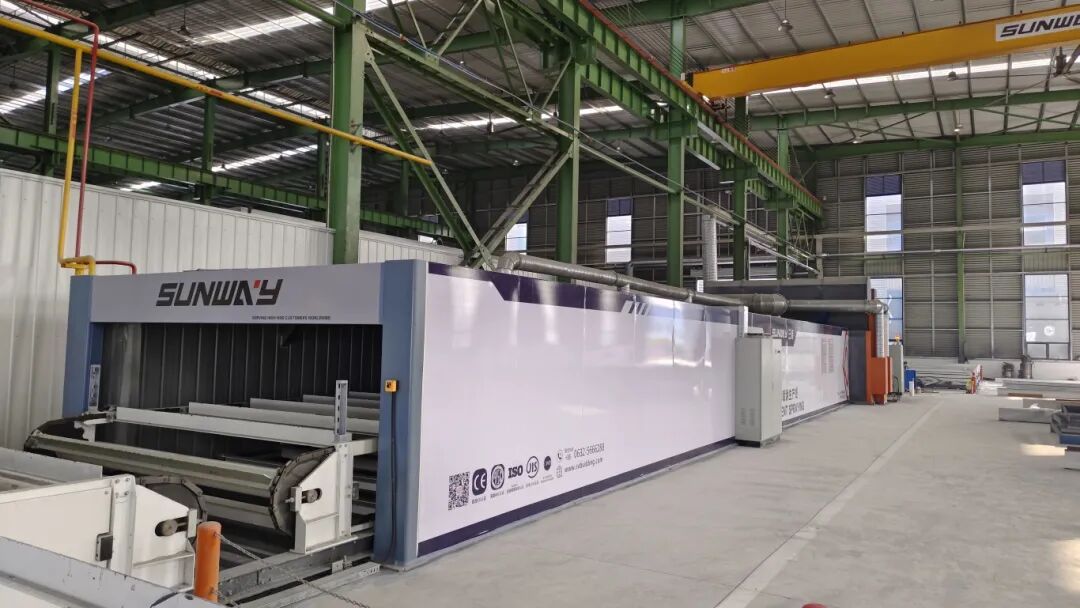
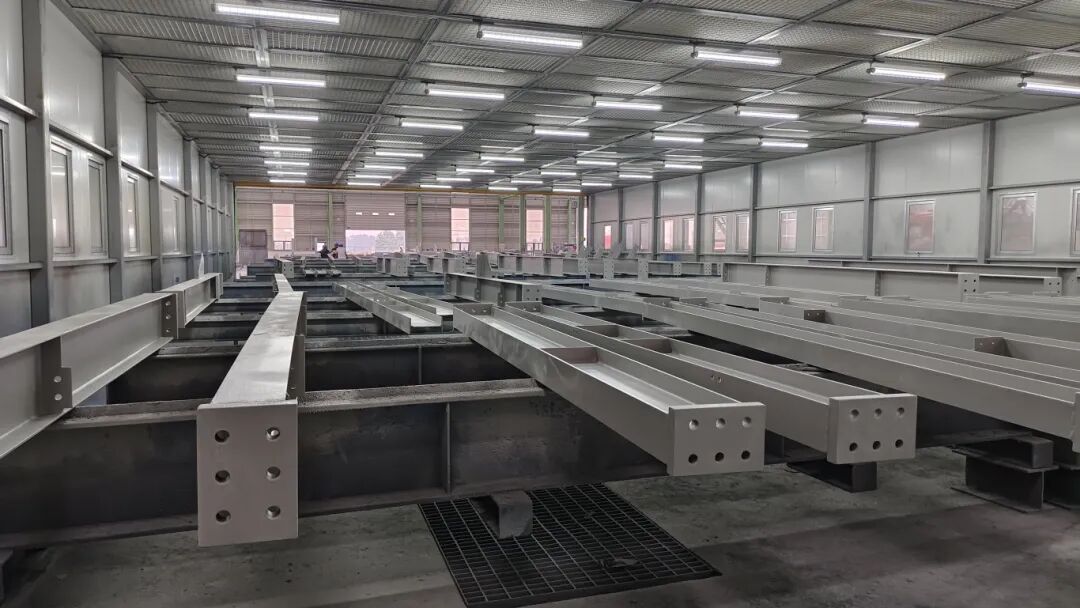
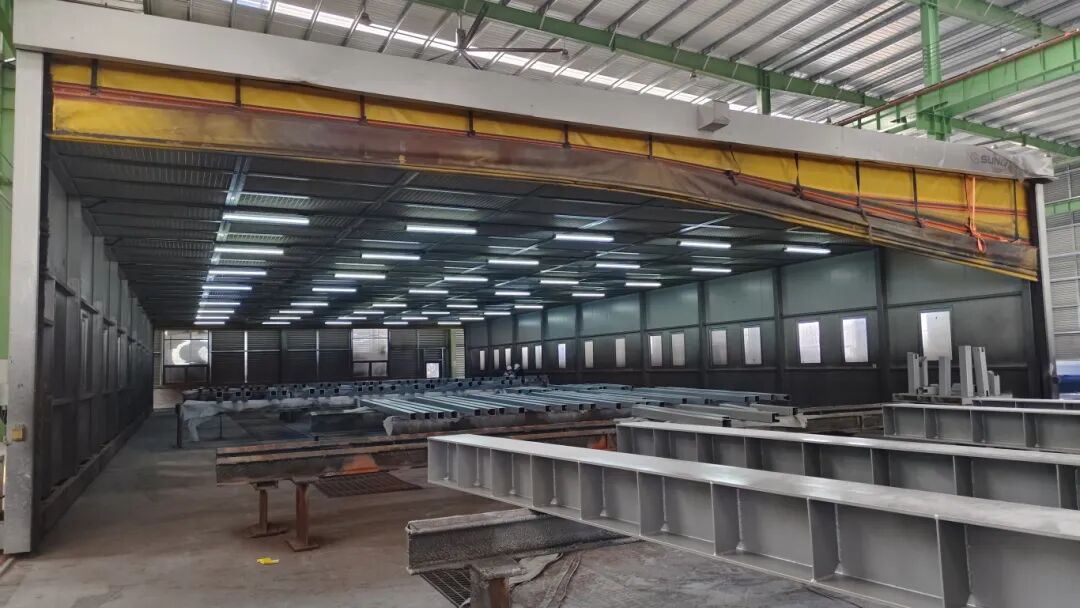
本图为三维钢构自动化喷涂线
很多时候,返修最花钱的根本不是那点涂料,而是停机损失、人工成本、吊装费用、安全措施投入,甚至工期延误的赔偿。所以我们做防腐项目,从来不会只算“一桶漆多少钱”,而是先把节点的问题问清楚:
Many times, the most expensive part of repairing is not the paint, but the downtime costs, labor costs, lifting fees, safety measures investment, and even compensation for project delays. Therefore, when we do anti-corrosion projects, we never just calculate "how much is a barrel of paint", but first ask about the key issues:
这套防腐体系在节点位置怎么处理?焊缝和锐边有没有要求预涂?螺栓区安装后怎么补涂?现场怎么验收局部膜厚?后期维护时哪些位置要重点巡检?这些问题提前明确了,项目的防腐风险至少能降低70%。
How is this anti-corrosion system handled at node locations? Are there any requirements for pre-coating of welds and sharp edges? How is the coating reapplied after installation in the bolt area? How is the local film thickness inspected on site? Which locations require special inspection during later maintenance? By clarifying these issues in advance, the anti-corrosion risk of the project can be reduced by at least 70%.
一个靠谱的钢结构防腐方案,绝对不能只写底、中、面漆的配套,更要把节点处理的要求写得明明白白:比如锐边要倒角、毛刺要打磨,焊缝飞溅和焊渣必须清理干净,边角、焊缝、螺栓孔周围必须先做预涂,喷涂后要检查局部膜厚而不是只看平均值,运输和安装造成的涂层损伤要有明确的修补方法,现场施工的湿度、露点、表面盐分和粗糙度也要有记录。
A reliable anti-corrosion plan for steel structures should not only outline the matching of primer, intermediate coat, and topcoat, but also clearly state the requirements for node treatment: for example, sharp edges should be chamfered, burrs should be polished, weld spatter and slag must be cleaned up, and pre-coating must be applied around edges, corners, welds, and bolt holes. After spraying, local film thickness should be checked instead of just looking at the average value. There should be clear repair methods for coating damage caused by transportation and installation. The humidity, dew point, surface salt content, and roughness during on-site construction should also be recorded.
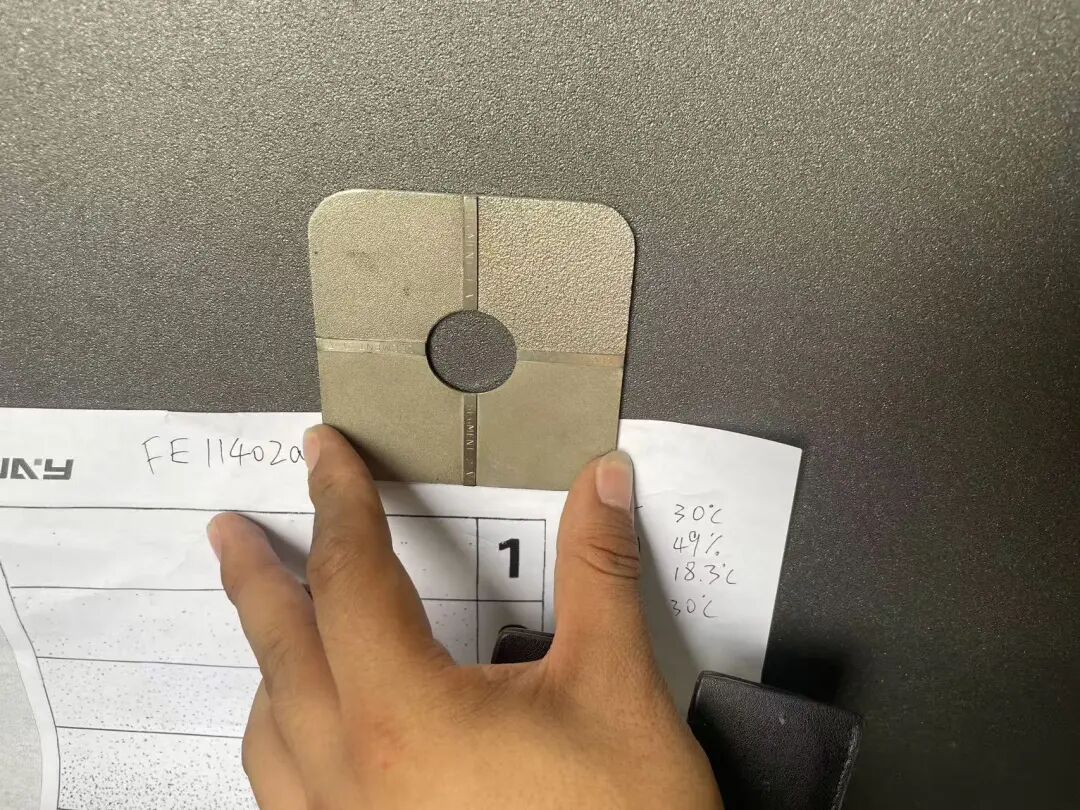
这些要求看起来琐碎,却直接决定了涂层能不能达到设计的服役年限。防腐其实没那么神秘,很多失效并不是材料不行,而是节点处理、施工管控、验收标准的漏洞把风险一点点放大了。
These requirements may seem trivial, but they directly determine whether the coating can achieve the designed service life. Anti-corrosion is actually not that mysterious. Many failures are not due to the material itself, but rather to loopholes in node treatment, construction control, and acceptance standards, which gradually amplify the risks.
现在行业里有很多高性能的防腐材料,比如聚硅氧烷面漆、富锌底漆、环氧中间漆,在耐候、保光、保色、耐水、附着力等方面的性能都很出色。但我们始终认为,材料再好,也需要匹配到位的表面处理和规范的施工流程。如果节点位置的涂层厚度不够、底材处理不干净、边角没有做预涂,哪怕用再贵的面漆,也很难弥补底层的缺陷。
Nowadays, there are many high-performance anti-corrosion materials in the industry, such as polysiloxane topcoat, zinc-rich primer, and epoxy intermediate coat, which excel in weather resistance, gloss retention, color retention, water resistance, and adhesion. However, we always believe that no matter how good the material is, it needs to be matched with proper surface treatment and standardized construction procedures. If the coating thickness at the node position is insufficient, the substrate is not cleaned thoroughly, and the edges and corners are not pre-coated, even if the topcoat is expensive, it is difficult to compensate for the defects of the underlying layer.
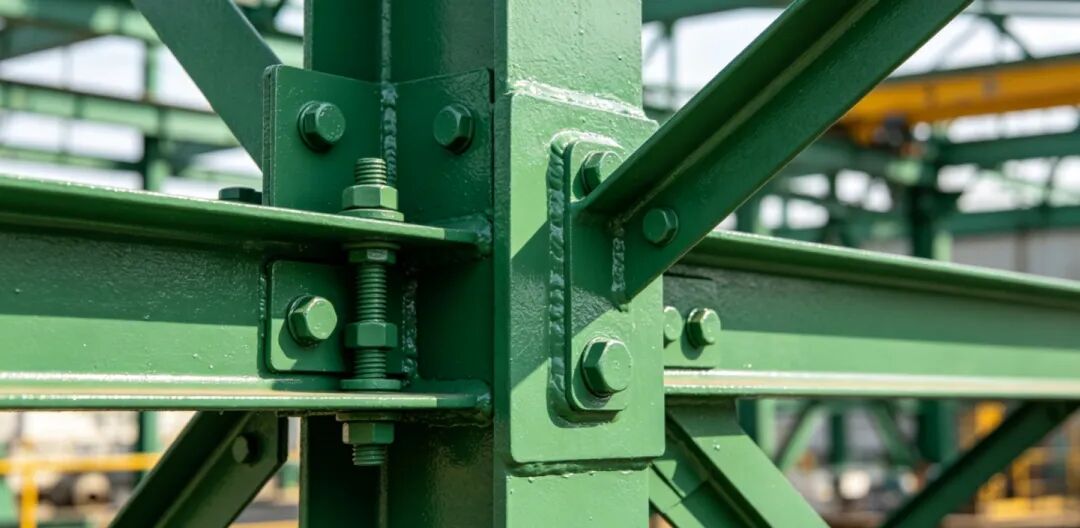
作为深耕钢结构领域二十余年的企业,我们始终觉得,做钢结构工程和做防腐是一个道理:稳不稳,看节点;好不好,看细节。先把最容易坏的节点管住,再谈体系升级、材料优化,才是真正对项目负责、对客户负责。
As a company with over two decades of experience in the steel structure sector, we have always believed that the principles of steel structure engineering and corrosion prevention are intertwined: stability depends on the nodes, and quality hinges on the details. It is only by securing the most vulnerable nodes first, and then discussing system upgrades and material optimization, that we can truly be responsible for the project and our customers.


 客服1
客服1  客服2
客服2